TikTok Shop US vs Southeast Asia: why one product needs two sets of creative
Same platform, different shoppers. US buyers want proof it's real and useful; Southeast Asian buyers respond to energy and value. We compare product images, short video, livestreams and language, and show what you can reuse.
Sellers who started in Southeast Asia often move into the US with their existing creative: saturated product images, sticker-heavy videos, big price callouts. Results tend to disappoint. Brands that started in the US and expand into Southeast Asia have the opposite problem: their clean, restrained creative gets lost in a lively feed.
It's the same platform, but buying habits differ. These are the main differences we've seen running similar products in both markets. They come from hands-on work, categories vary, and your own data should have the final word.
At a glance
| US | Southeast Asia | |
|---|---|---|
| Buyers care most about | Is it real, does it work | Price, deals, value |
| Product images | Clean, real use | Bright; promo info sometimes allowed (check rules) |
| Video openings | A problem or a result, everyday tone | Product and value up front |
| Creator content | Reviews, honest unboxing | Showcase, enthusiastic recommendation |
| Livestream | Growing, explanation-led | Mature, fast, highly interactive |
| Language | Mostly English | Thai, Vietnamese, Indonesian, Malay, English and more |
| Units | Inches, pounds, Fahrenheit | Metric |
Product images: credibility vs information
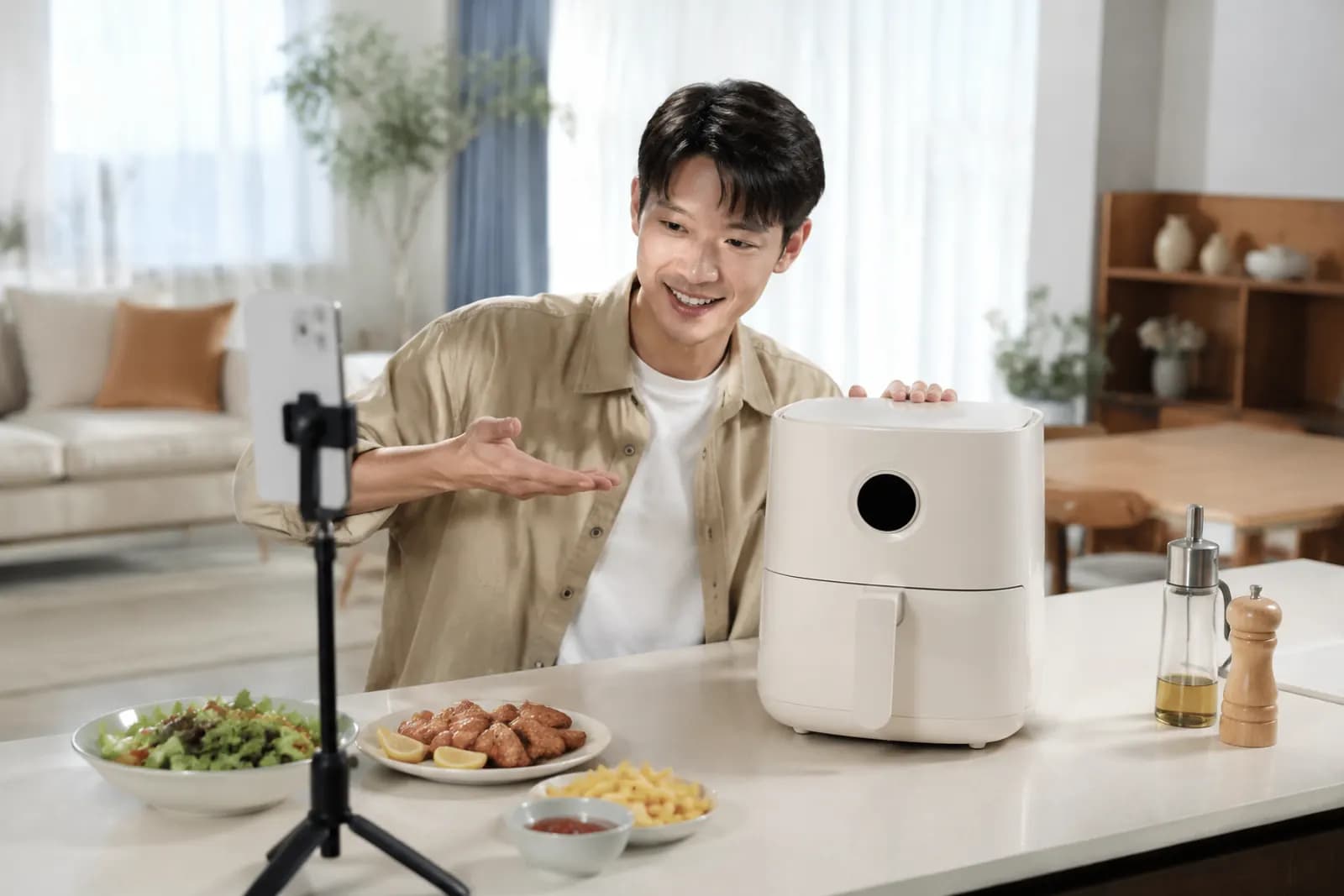
US shoppers are wary of anything that looks too much like an ad. Heavily styled scenes and exaggerated before-and-afters can raise doubts. What tends to work:
- Real homes, natural light;
- People in frame, not visibly posed;
- Sizes in inches, next to references Americans recognise.
Southeast Asian listings can carry more information. Many shops use secondary images to show free gifts, bundles and colour options, with brighter palettes. Whether text or stickers are allowed on the main image varies by market and category — confirm in Seller Center before listing.
Short video: pace and tone
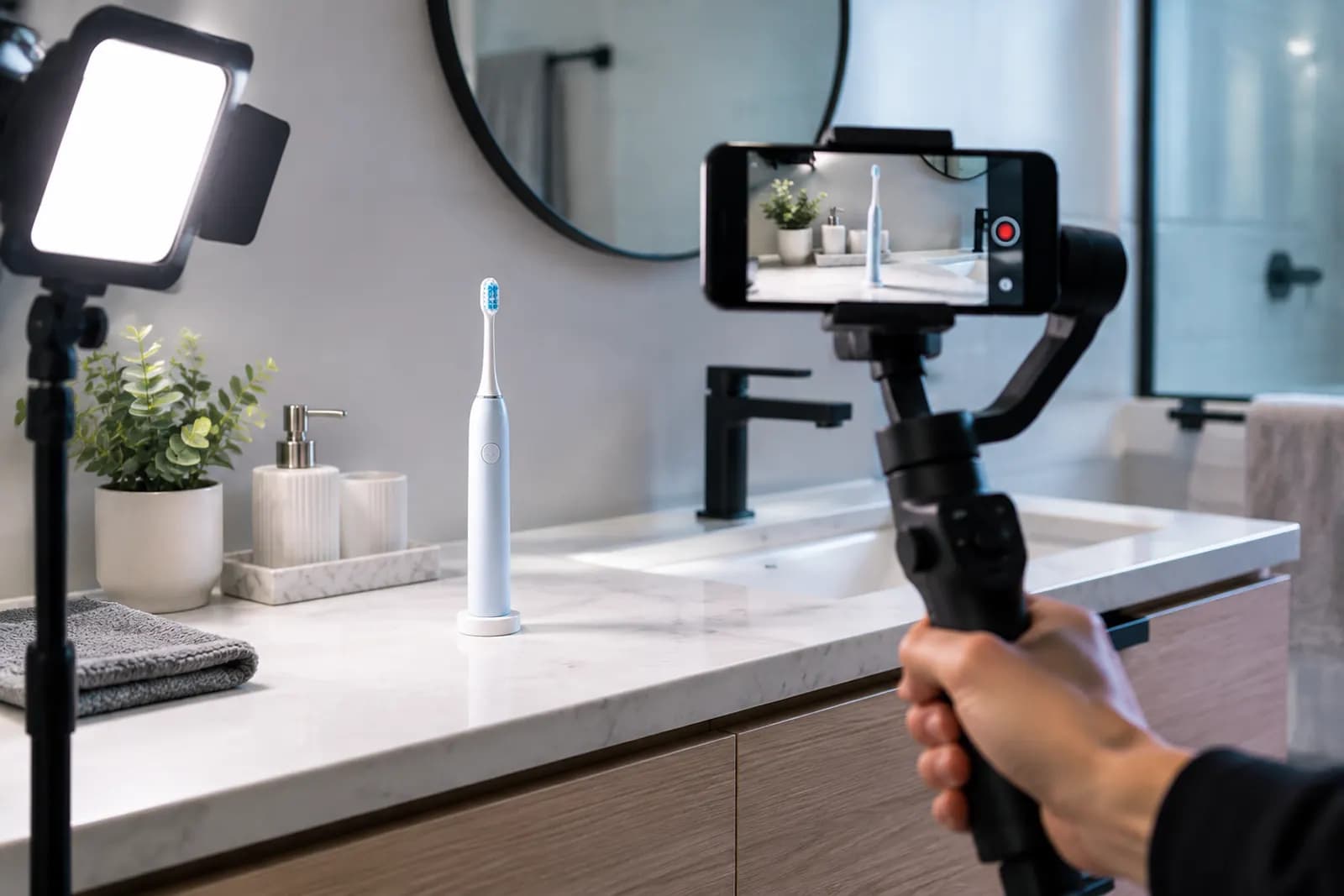
Both markets need the product on screen in the first second (see video covers and the first second). The difference is what follows:
- US: open with a specific everyday problem — "the garage is unbearable in July" — then show the fix. The tone is a friend's recommendation, not a sales pitch. Too much enthusiasm reads as fake.
- Southeast Asia: faster cuts, more shots, and price, deals and gifts often shown directly. Creators are energetic and talk to the viewer.
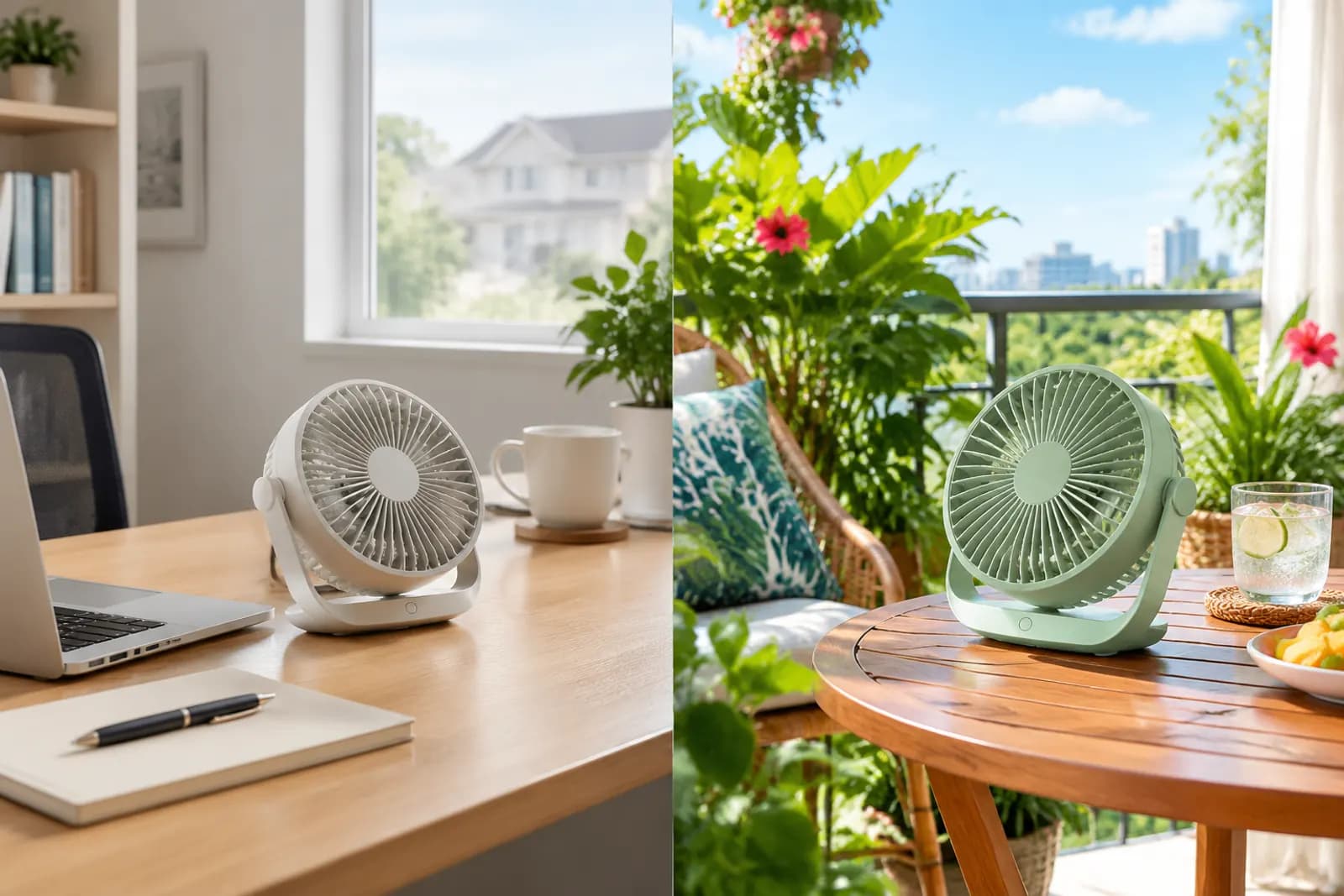
The same desk fan might become "surviving hot afternoons working from home" in the US, and "rainy season, stuffy dorm, one small fan is enough" in Thailand, with unboxing and the free gift on show.
Livestreams: different sets
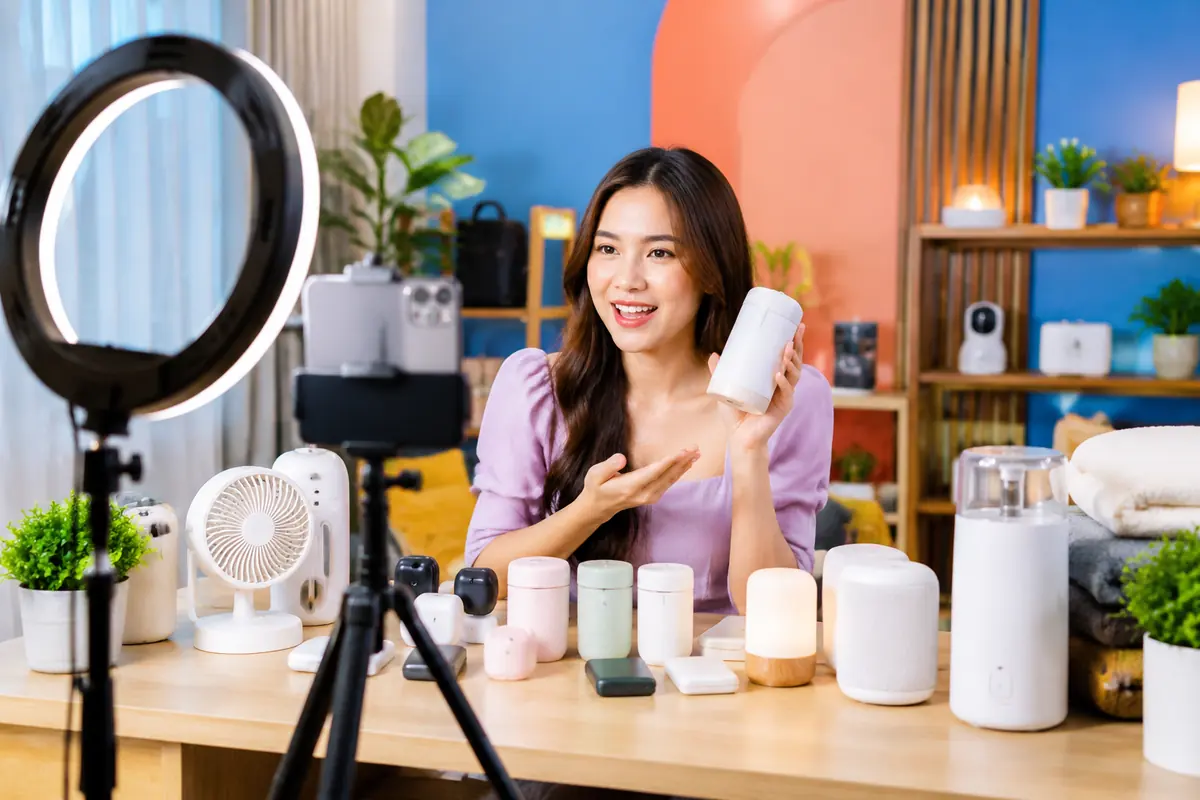
Live commerce in Southeast Asia started earlier and moves faster. Rooms are densely stocked, backgrounds colourful, and hosts demonstrate and interact non-stop. US livestreams lean towards explanation and demos, with cleaner backgrounds and fewer products per session.
If you go live in both, plan two set-ups: different backdrops, product displays and ways of showing price.
Language: Southeast Asia is not one market
Southeast Asia is often treated as one region, but the languages are entirely different: Thai in Thailand, Vietnamese in Vietnam, Indonesian in Indonesia, Malay and English in Malaysia, and a mix of English and Filipino in the Philippines. Subtitles, cover text and text in product images all need localising.
Practical traps:
- Thai has no spaces between words, so automatic line breaks can split in the wrong place — check manually;
- Vietnamese uses many tone marks, and some fonts render them incorrectly — confirm full support;
- Indonesian and Malay are close but not identical; don't use one for the other.
We go deeper on multilingual image layout in Shopee and Lazada image localisation.
What you can reuse
Not everything needs two versions:
| Asset | Reusable? | Notes |
|---|---|---|
| White-background shots | Yes | Needed in both; specs are similar |
| Detail close-ups | Yes | Swap any text |
| Lifestyle images | Partly | Adjust setting and people per market |
| Benefit infographics | Redo text and units | Layout can be shared |
| Short video | Product footage, yes | Re-cut opening, voice, subtitles, pacing |
| Livestream set | No | Two set-ups |
An efficient production approach
- Shoot once, edit twice. Capture plenty of product, detail and in-use footage, then edit separately for each market.
- Share white-background images, split lifestyle. Make one high-quality white-background set; shoot or generate lifestyle per market.
- Keep text on its own layer. Infographic source files with editable text make language and unit swaps quick.
For lifestyle drafts, AI generation can produce one version per market: suburban homes, garages and home offices for the US; apartment balconies, dorms and tropical plants for Southeast Asia. When images contain text that needs translating, run them through image translation and then check line breaks and fonts by hand.
Upload one product photo and get a full set of listing-ready visuals in minutes.
Keep reading
Testing Amazon main images with Manage Your Experiments: design, duration and reading results
Read article