Children's product images: age labels, small-parts warnings, child models and safe use
Parents buy children's products, and safety is what they care about most. One improper usage scene or an unsupported "completely safe" can trigger complaints or rule breaches. Here's what to watch in images for toys, baby products and children's clothing.
Children's products are unusual: the user is a child and the buyer is a parent. Looking at product images, parents keep asking one question: is this safe for my child?
So beyond looking good and explaining benefits, children's product images need to hold up to scrutiny on safety in every detail. A wrong usage scene or an unsupported claim can make parents walk away, and in serious cases breach regulations.
Rules referenced here follow current laws, national standards and platform policies; for specific products, consult a testing body or professional adviser.
Age labels: clear in every key image
Age suitability is among the first things parents check:
- State the age range in the main image set, e.g. "for ages 3+";
- Match it to packaging, instructions and product attributes;
- Don't share scenes across age groups — a toy for ages 6+ shouldn't appear beside an infant.
Small-parts warnings: never optional
Toys with small parts that could pose a choking risk to young children must carry warnings under the relevant standards, such as "contains small parts, not suitable for children under 3". When selling online, the warning should be clearly visible on the product page, not only printed on the box.
In images:
- Consider a dedicated safety information image showing the warning;
- Keep warnings legible in real packaging photos;
- In scenes, never show toys with small parts beside babies or toddlers.
Certification marks: only genuine ones
Some children's products, including certain toys and pushchairs, fall under China's mandatory product certification and must carry the mark. When showing certification in images:
- Show only certifications the product actually holds, backed by certificates;
- Use correct, unaltered artwork;
- Don't replace specific certification names with vague "nationally certified" claims.
For principles on showing marks, see our guide to CE, FCC and UKCA marks. The marks differ by market, but "only genuine, shown correctly" applies everywhere.
Child models: limits and protection
Child models are common for children's clothing and products. Keep in mind:
- Advertising law — China's Advertising Law restricts minors' participation in advertising, including that children under ten may not act as product endorsers. The line between product display and endorsement needs care; seek professional advice when unsure.
- Guardian consent — written consent from a guardian, specifying how and for how long images will be used;
- Appropriate styling — clothing, poses and settings suited to a child;
- Privacy — nothing that identifies the child, such as a school name on a uniform;
- Safe shoots — limited time, guardian present, no risky environments.
Safe-use scenes
Scenes for baby and children's products must show correct, safe use:
| Product | Show | Never show |
|---|---|---|
| Pushchair | Harness fastened, adult nearby | Unharnessed baby, unattended pushchair |
| Cot | A clear, tidy sleep space | Pillows and soft toys piled inside |
| Car seat | Fitted and buckled per instructions | Wrong installation, loose straps |
| Scooter or bike | Helmet and pads | Riding unprotected in traffic |
| Baby bath, swim ring | Adult supervising | Child alone in water |
This isn't only compliance. Parents who see unsafe scenes question whether the brand knows what it's doing.
Limits on claims
- No unprovable claims like "completely safe" or "zero risk";
- Developmental claims need evidence — be very careful with "boosts intelligence" or "brain development";
- Accurate material claims — "food grade" or "non-toxic" need test reports;
- Don't target children — advertising rules prohibit, for example, content urging children to ask parents to buy.
Pre-listing checklist
- Age range clear in the main image set;
- Small-parts warnings visible where relevant;
- Genuine, correctly shown certification marks;
- Written guardian consent for child models, appropriate styling;
- Scenes show correct, safe use;
- No unsupported "completely safe" claims;
- Material and effect claims backed by reports.
When generating scenes with AI
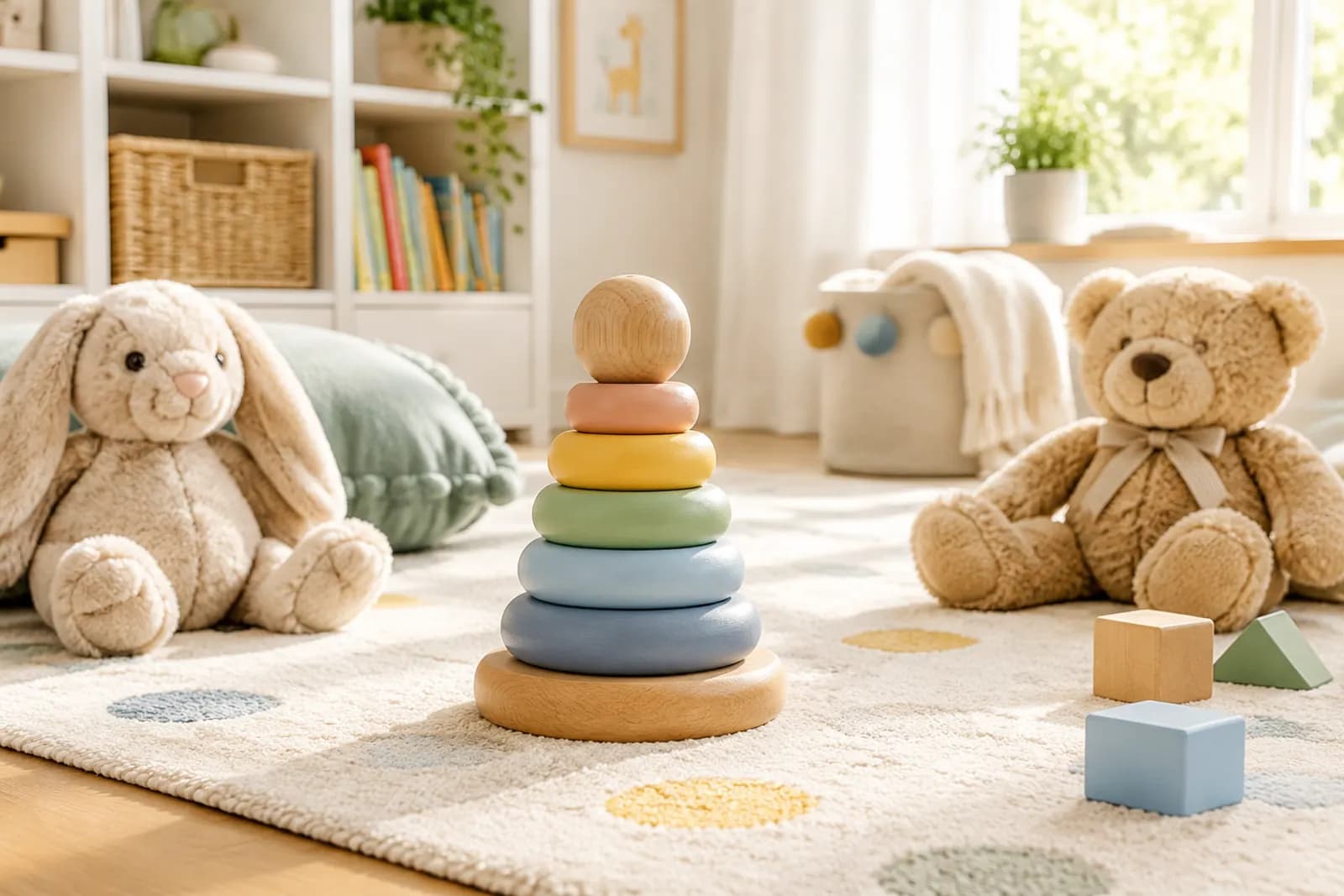
The same principles apply to AI-generated scenes, with one extra check: does the image show unsafe use (a child unbuckled in a pushchair), and are depictions of children appropriate? We suggest favouring child-free scenes — a tidy nursery, neatly arranged toys — which AI generation handles reliably and which carry less risk. Pet products follow similar safe-use thinking; see pet product images.
Upload one product photo and get a full set of listing-ready visuals in minutes.
Keep reading