Pet product images: shooting with animals, matching sizes, and what must never appear
Pets in product images can lift clicks and goodwill dramatically, but they bring problems: uncooperative animals, pets that don't match the product size, and scenes that imply unsafe use. Here's how to shoot pet products, show sizing and stay within limits.
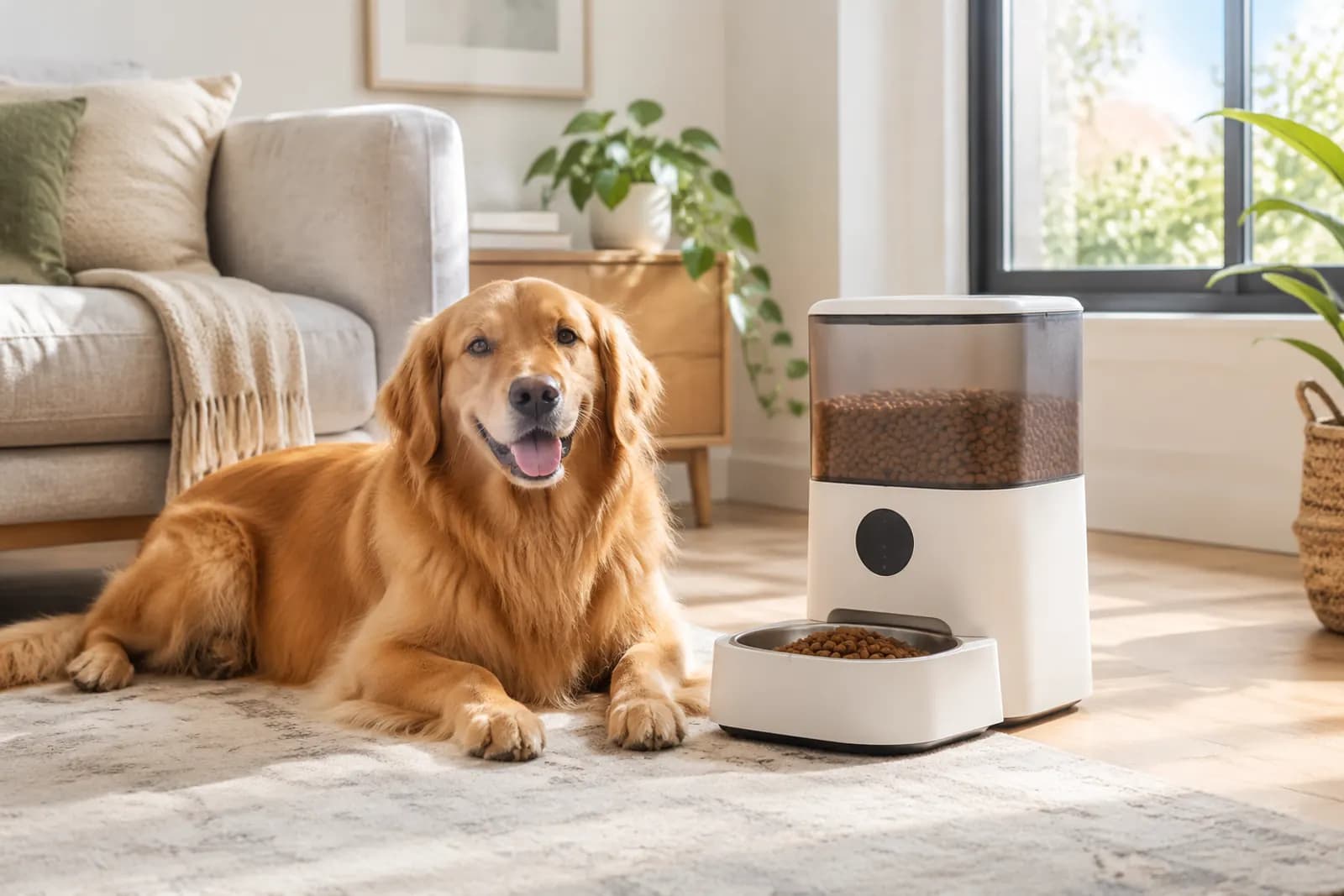
In pet products, images with an animal and images without often perform very differently. A cat curled in a bed or a dog carrying a toy speaks to pet owners in a way a white-background shot can't.
Pets on camera are also where this category goes wrong most: animals that won't cooperate and hours without a usable frame; a small dog in the photo when the buyer has a large one, leading to a product that doesn't fit; or a pretty pose that would be unsafe in real use.
Shooting with pets
Before the shoot
- Choose the right "model" — matching the target customer's pet size, calm and comfortable in new places;
- Let them settle — arrive at least half an hour early to get used to the space and product;
- Bring treats and toys to hold attention and direct gaze;
- Have the owner present — they calm and guide the animal far better than strangers;
- Keep sessions short — ten-odd minutes per round, with breaks.
Technique
- Get low — shoot at the animal's eye level;
- Burst mode — pets move fast;
- Fast shutter to avoid motion blur;
- Natural light — flash can frighten animals; use window light or continuous lights.
Animal welfare comes first
However much you want a shot, never keep a pet tense, uncomfortable or at risk: don't force poses, don't use props that could hurt them, and stop when they clearly resist. Shoppers can see an anxious animal, and an anxious cat doesn't sell anything.
Matching size: the biggest cause of returns
Many pet product returns come down to size: the bed too small, the lead too short, the carrier too cramped. The pet in the photo is a key reference for buyers.
- Label the pet — "cat in photo weighs about 4 kg", "medium dog, about 15 kg";
- Show sizes on different pets — S with a small animal, L with a large one;
- Provide a sizing guide by weight, length or chest girth, with how to measure;
- Don't use a small animal to make a product look bigger — common, and a reliable source of disputes.
Demonstrating function honestly
For feeders, fountains, litter boxes and leads, show real use:
- Automatic feeders — the dispensing outlet and bowl, perhaps a sequence of food dispensing;
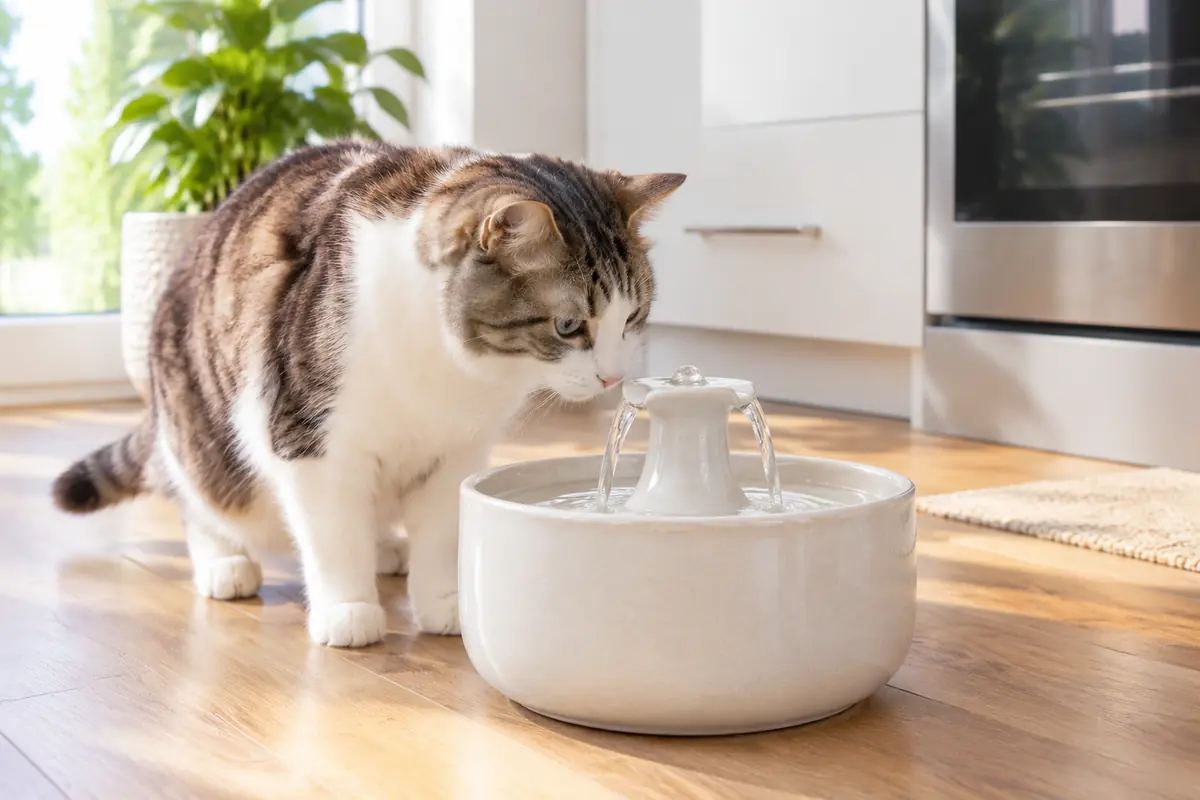
- Fountains — water flow and a pet drinking;
- Litter boxes — entry height and interior space, perhaps a cat entering;
- Leads and harnesses — correct fitting, with buckles and adjusters clear.
Demonstrations must match reality. Don't imply more food per portion or a quieter pump than the product delivers.
What must not appear
- Unsafe use — pets left unsupervised with products that need supervision, or harnesses fitted wrongly;
- Misleading combinations — toys shown with small parts that suggest pets can play with them;
- Human food — pets eating human food in product images can mislead;
- Exaggerated effects — pet food, supplements and parasite products have specific claim rules (follow regulations and platform policy).
Words on pet food and supplies
Pet food labelling and advertising are regulated. Common points:
- No claims of preventing or treating disease;
- "Natural" and "no additives" need a basis;
- Nutrient values come from testing and the label;
- No unverifiable "vet recommended" claims.
A pet bed example
One cat bed's main image showed a small British Shorthair of about 3 kg curled up inside, making the bed look roomy. Reviews soon said it was too small. Most buyers had adult cats of 5 kg or more. The revised main image used a cat of about 5 kg, labelled the cat's weight and the bed's inner diameter, and added a sizing image by cat weight. Size-related complaints dropped noticeably.
AI-generated pet scenes
Generating pet scenes avoids the hassle of live shoots, but:
- Photograph the product for real — pets and settings can be generated; the product's look and size can't;
- Keep proportions right — pet and product scale must match real sizing;
- Match breed and size to your customers;
- Check details — generated animals occasionally gain an extra leg or odd paws; zoom in.
Upload a real product photo to AI generation and describe breed, size and setting to get several scene versions. We'd still keep at least one real photo of a pet using the product in the main set, as the anchor of trust.
Pet and children's products share a lot when it comes to showing safe use; see children's product image guidelines.
Upload one product photo and get a full set of listing-ready visuals in minutes.
Keep reading