Visual testing before you order stock: using AI mock-ups to test demand, and where to stop
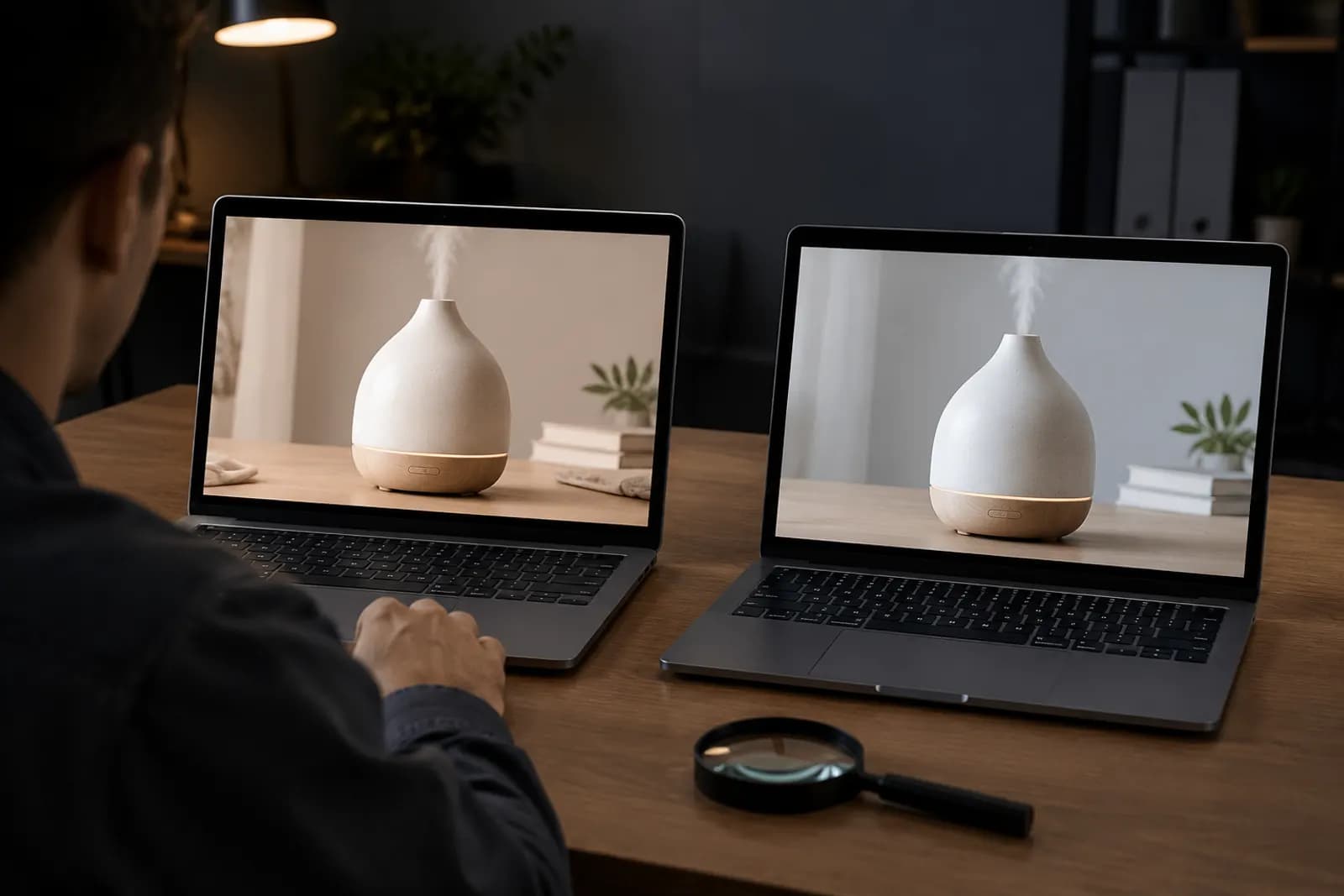
Ordering stock for a new product is a big commitment, and the wrong colour or style can sit in a warehouse for months. AI mock-ups let you test reactions before committing. Here's what to test, how to test it, how to read the data — and the line you must not cross.
Ordering stock is one of the heaviest decisions in e-commerce. Commit to thousands of units of a new product and, if the colour or style misses, it ends up discounted or gathering dust.
The traditional approach is a small production run, a test listing and a decision based on the data. It's reliable but slow and costly: samples, photography and initial stock can take a month or two per product.
AI generation offers an earlier, cheaper test. Before ordering stock — even before sampling — you can use mock-ups to gauge reactions to colours, styles and benefits. Here's how, and where the limits are.
The limit first: testing is not selling
Mock-ups can test interest. They cannot be used to sell a product that doesn't exist.
Listing a product with AI mock-ups and taking payment when it hasn't been made — or when the final product differs from the mock-up — breaks marketplace rules and may amount to false advertising. Proper testing means:
- Showing mock-ups on content platforms, in communities or in surveys to gather feedback;
- Running small content promotions to test clicks and engagement;
- Presenting them clearly as "preview" or "help us choose", never as products for sale.
What to test
| Variable | How | Example |
|---|---|---|
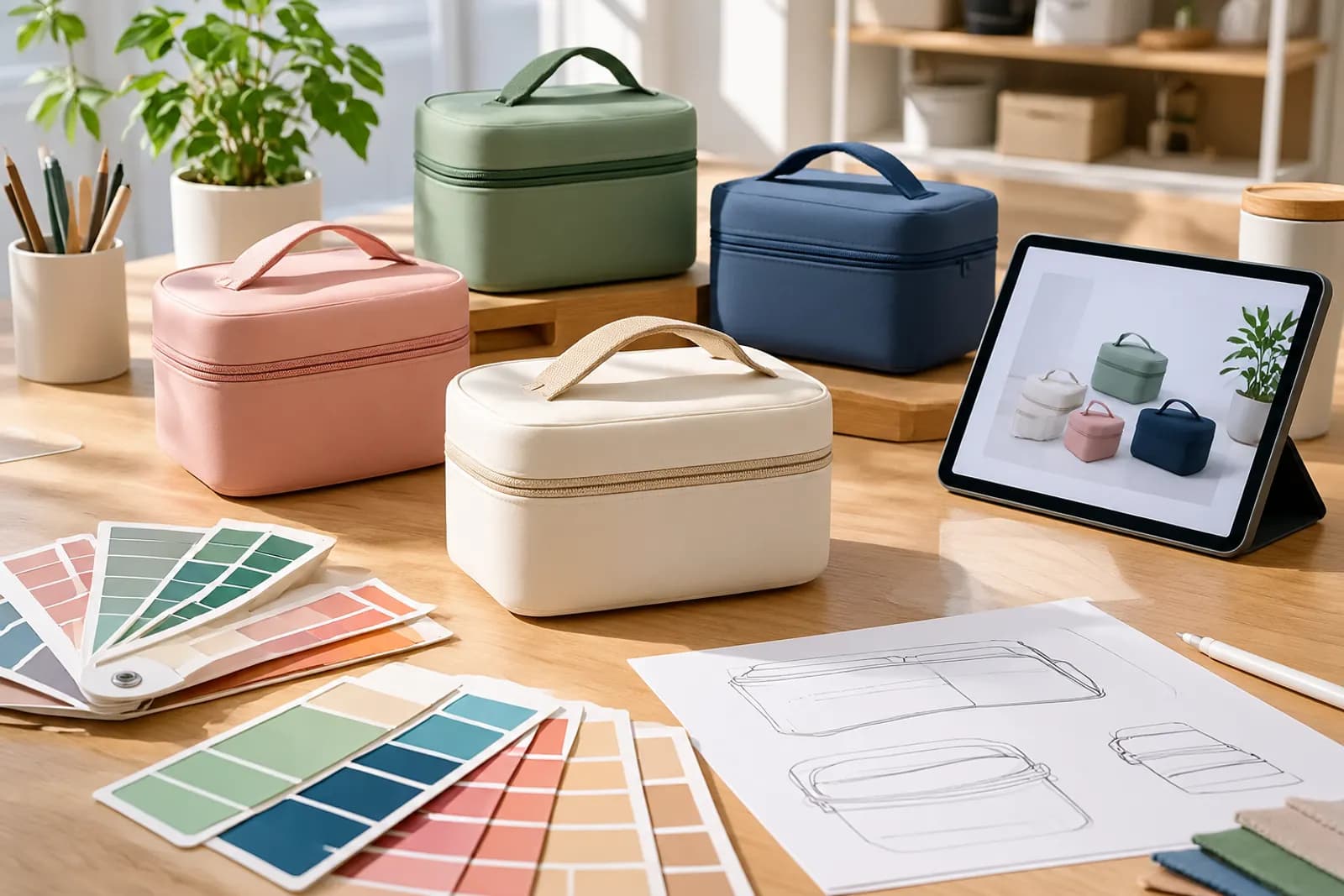
| Colour | Several colourways of one design | Six lunch box colours, pick the top two or three |
| Style | Mock-ups of design directions | Square vs rounded, handle vs no handle |
| Positioning | Same product in different audiences' settings | Office lunch vs school lunch vs picnic |
| Benefit framing | Main images with different benefits | "Keeps warm 6 hours" vs "microwave safe" |
| Perceived price | Different finishes and presentation | Simple and practical vs gift-ready |
Not testable with mock-ups: feel, real functional performance, durability. Those need samples and testing.
Making the mock-ups
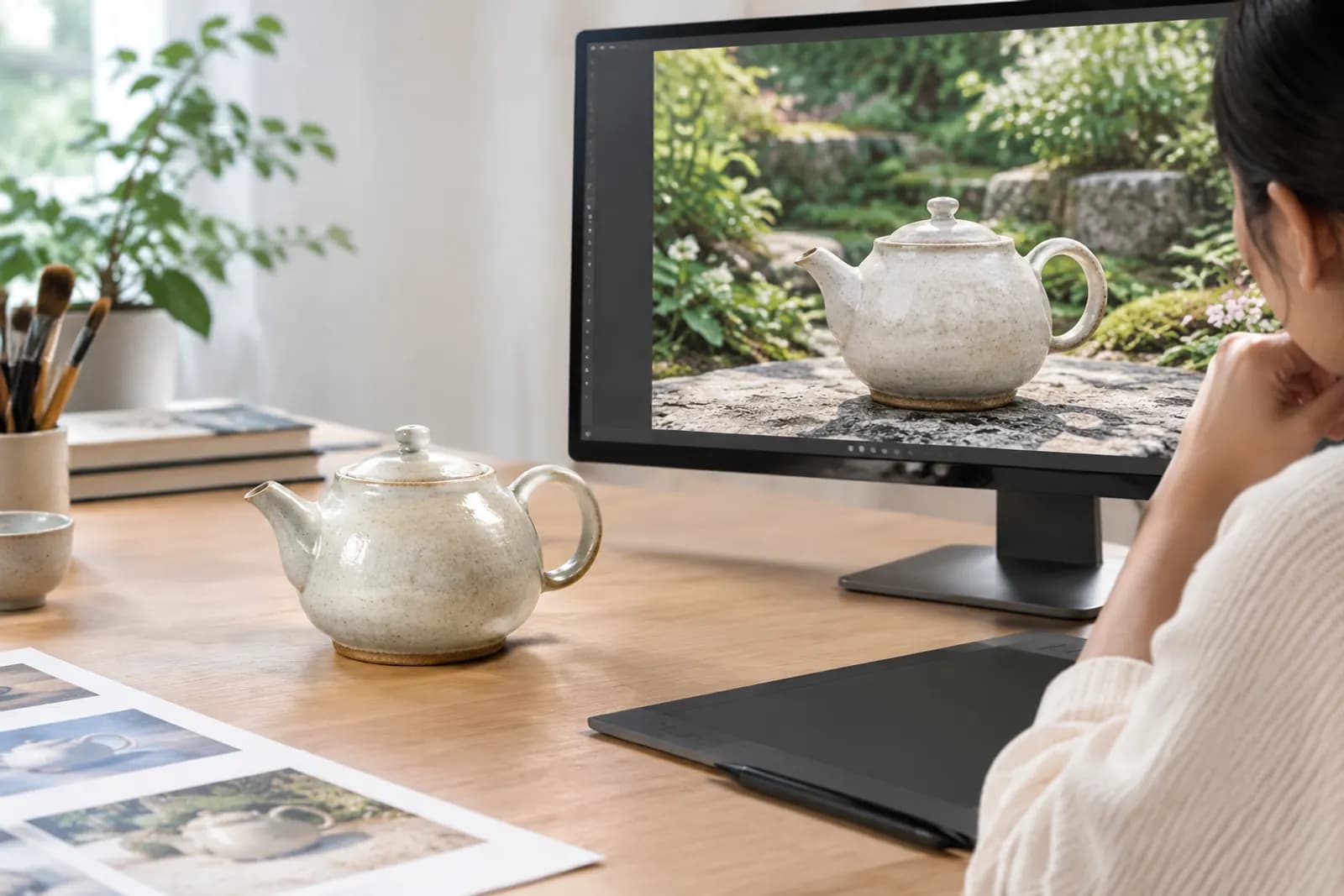
Mock-ups need to be good enough that you're testing the product, not the image quality.
- Start from something real — a sample photo if you have one, otherwise a similar existing product or design drawing;
- Change only the variable — testing colour means only colour changes; keep scene, angle and light identical;
- Consistent style across all test images;
- Feasible — colours and finishes must be manufacturable, or the result is meaningless.
Upload a sample or reference to AI generation to create colour and scene variants quickly. To change just one area's colour, paint it in Inpaint and describe the target colour; everything else stays put.
Where to test
- Communities and existing customers — polls in fan or member groups: cheapest and most direct, but skewed toward people who already buy from you;
- Content platforms — "help us pick a colour" posts on Xiaohongshu or Douyin, watching engagement and comments;
- Small paid promotion — equal budgets on different versions, comparing click and engagement rates;
- Surveys — short questionnaires for your target audience with mock-ups to choose from.
Cross-checking several channels beats relying on one.
Reading the data
The classic mistake is over-reading:
- Sample size — with a few dozen votes, differences may be noise; the smaller the gap, the more responses you need;
- Relative differences — "A gets clearly more clicks than B" means more than A's absolute click rate;
- Interest isn't purchase — likes don't equal buyers; comments like "I want this" or "when does it launch?" are more telling;
- Context — weigh results alongside cost, supply chain and inventory risk.
A lunch box example
A tableware brand planning an insulated lunch box had six colourways before sampling. They generated mock-ups of all six from the design drawing, all in the same "lunch on an office desk" scene, and ran colour polls in their community and on Xiaohongshu.
After two weeks, two colours clearly led and one clearly trailed. They produced only the two leaders plus a classic white, dropped the rest, and sampled only those three — saving part of the sampling cost.
The mock-ups narrowed the options. The final decision still rested on real samples and costings.
After the test
Once a product goes into production, its listing images must be reshot from the real product or regenerated with the real product as input, so they match what ships. Where mock-up and product differ — even slightly in colour — the real product wins.
For testing main images after launch, the experiment design in testing Amazon main images with Manage Your Experiments applies to domestic platforms too. For the broader limits on AI images, see which product images can be AI-made.
Upload one product photo and get a full set of listing-ready visuals in minutes.
Keep reading