When your product images get stolen: evidence, complaints, prevention — and whether to watermark
You pay for a product shoot, and days later the same images appear in someone else's shop. Fighting image theft isn't about spotting it; it's about proving the image is yours. Here's how to keep evidence, prepare platform complaints, weigh watermarks and build preventive habits.

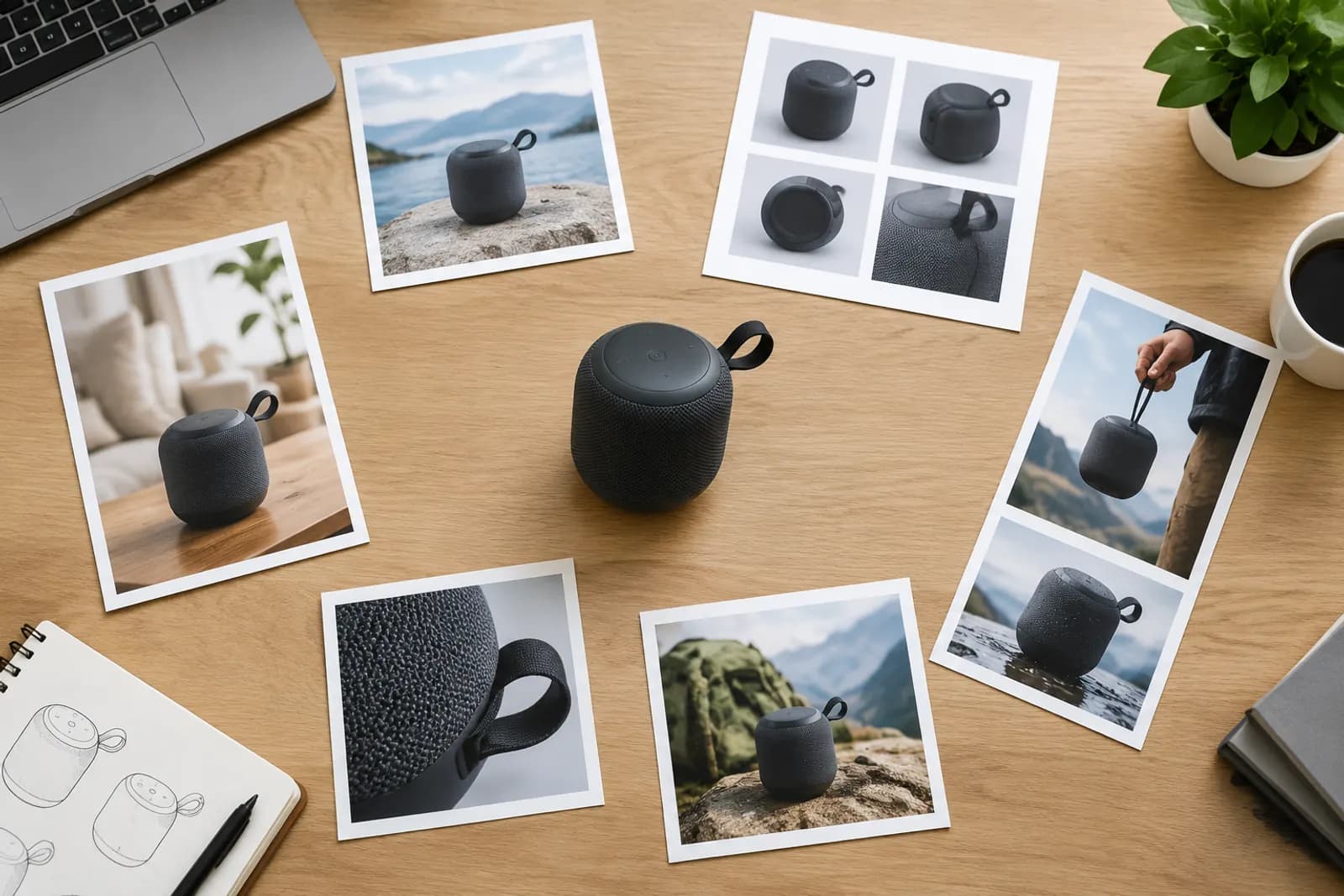
Almost every merchant who invests in product photography has been through it. You pay thousands for a shoot, retouch everything carefully, list it — and within days the identical images appear in another shop. Sometimes the background hasn't even changed; sometimes your logo has simply been cropped out.
Worse, the other shop is usually cheaper, and shoppers seeing two identical images in search results naturally pick the lower price.
The key to fighting image theft isn't spotting it. It's being able to prove the image is yours. Here's how, across evidence, complaints and prevention.
Evidence starts on shoot day
Many merchants only think about proof after the theft, when all they have is the image uploaded to their shop. That's weak evidence. Start on shoot day:
1. Keep original files
- Camera originals (RAW or highest-quality files), which usually carry capture time and camera model;
- Every frame from the same setup, including rejects — the thief has the one image you published; you have dozens from the same moment and scene, which is strong evidence;
- Working files — layered design files and before/after retouching.
2. Keep records of the shoot
- Contracts and payment records (for outsourced shoots, the contract should state who owns copyright);
- Behind-the-scenes photos or video;
- Purchase or production records for the samples.
3. Registration and proof of time
- Copyright registration of key images through a registration body, as preliminary proof of ownership;
- Trusted timestamp or similar evidence services before publishing, to show you held the image at a given time.
Not every image needs registering. Prioritise main images for hero products, expensive lifestyle shoots and brand imagery.
Complaints: prepare before you file
The main route is the marketplace's intellectual property complaint process. Alibaba Group runs an IP protection platform, and JD, Pinduoduo and others have their own channels; follow each platform's requirements.
Prepare:
| Material | Purpose |
|---|---|
| Proof of identity | Who you are |
| Proof of ownership | Original files, shoot contract, registration certificate |
| Infringing links and screenshots | Which images were used |
| Comparison | One-to-one mapping between your images and theirs |
From experience:
- Capture everything — shop name, product link, image position, ideally with a visible time;
- Make comparisons obvious — place originals and copies side by side and mark identical details, like a prop in the background or a highlight on the product;
- Move fast — the other party can change or delete listings at any time.
For large-scale theft or significant losses, consider consulting a lawyer about formal legal action.
Watermarks: whether and where
Watermarks are most merchants' first idea, but they have clear limits:
- Platform rules — most platforms prohibit watermarks or logo overlays on main and white-background images;
- Looks — large watermarks make images look cheap and hurt clicks;
- Easy removal — a corner watermark disappears with a crop, and removal tools keep improving.
Think of watermarks as raising the cost of theft, not preventing it:
- Main and white-background images — no watermarks, per platform rules;
- Detail pages — brand elements built into the design, such as consistent brand colour blocks or the logo as part of the layout, rather than translucent text slapped on top;
- Lifestyle scenes — brand elements woven into the scene, like the logo on packaging or branded materials in the background — "natural watermarks" that are hard to remove.
Everyday habits
- Keep originals in-house — send partners and creators compressed versions;
- Search regularly — use platforms' image search to check your hero products;
- Make images distinctive — unique scenes, props and composition are harder to pass off and easier to prove;
- Clear contracts — copyright belongs to you, and photographers may not supply images to third parties;
- Central storage — originals in one place, with access recorded.
Ownership of AI-generated images
More product images are AI-generated or AI-assisted, and ownership is more complex than for photographs; rules and court practice are still developing. Our advice:
- Keep records of the process: input photos, prompts, settings, edits;
- Use your own real product photos as input, where ownership is clear;
- Read your tool's terms of service on generated content.
Consistency is protection too
One last observation: the more consistent and recognisable your shop's visuals, the harder it is for someone to slip your images into their shop unnoticed. See our brand visual consistency guide. And if supplier images carry another shop's watermark, watermark removal can clean them — provided you have the right to use those images.
Upload one product photo and get a full set of listing-ready visuals in minutes.
Keep reading