Food product photography that looks delicious — without crossing the line
Food relies on looking delicious more than any other category, and it's also where exaggerated images most often lead to complaints. Here's how we handle light, food states, packaging with contents, and the limits food images must not cross.
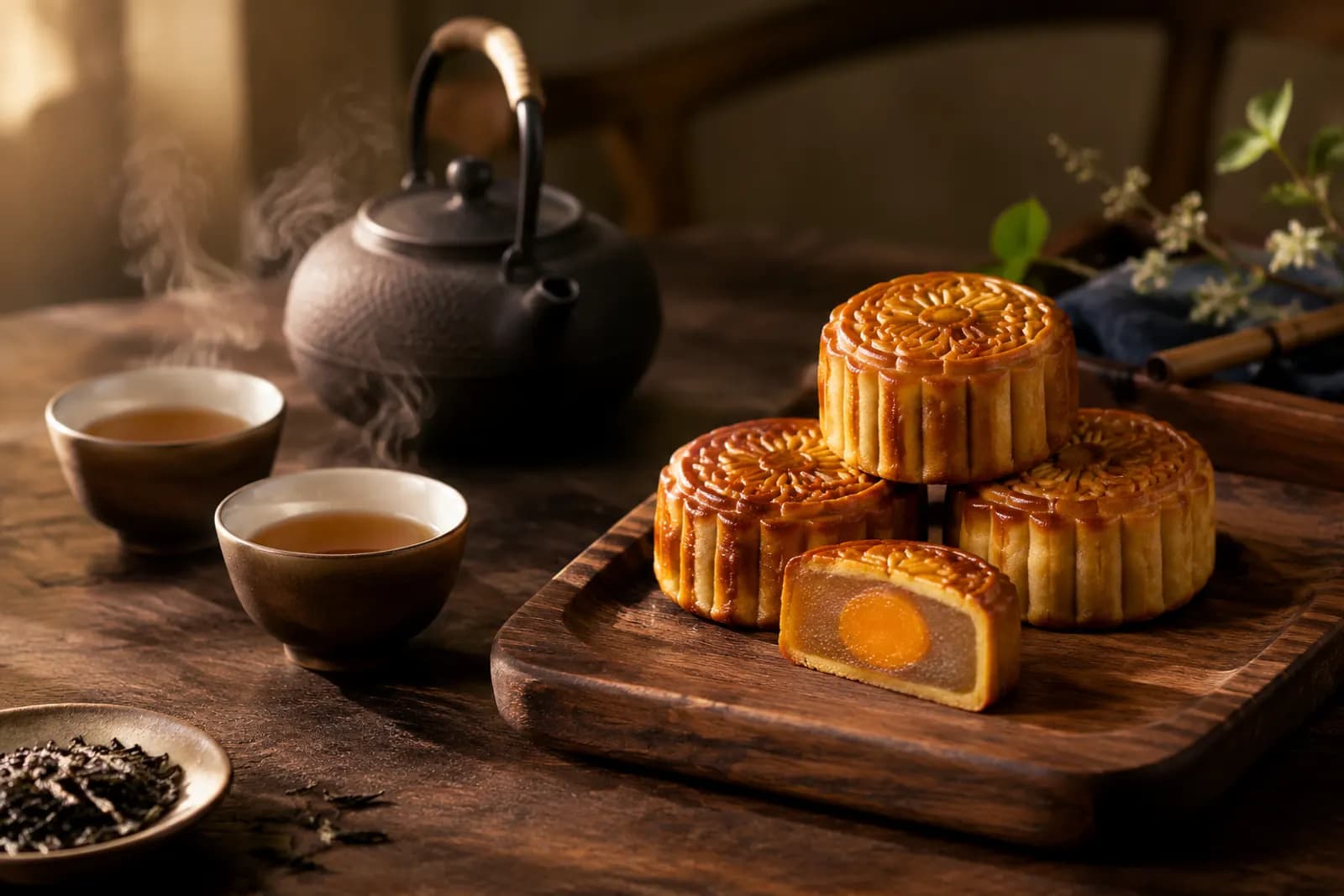
Of all e-commerce categories, food may depend most on images. Shoppers can't smell or taste; whether something looks delicious rests almost entirely on the photo: appealing colour, fresh texture, a generous portion.
It's also the category most prone to "doesn't look like the picture". A cake oozing cheese in the image arrives as a dry slice; a bowl overflowing with nuts turns out to be half a bag. That gap becomes bad reviews and refunds, and in serious cases false advertising.
So food images have two jobs: look appetising, and stay truthful.
Light: side-back light is food's best friend
The most common light in food photography is side-back light — the key light comes from behind and to one side. It:
- Outlines texture and sheen, like bread crumb, meat grain and glossy sauce;
- Makes steam and moisture visible;
- Makes liquids — tea, juice, soup — look translucent.
Flat frontal light is food's enemy; it makes food look flat and grey.
Most food suits slightly warm tones that feel inviting and fresh. Don't overdo it: green vegetables turn yellowish and tired under very warm light.
Food state: catch its best moment
The same food can look very different depending on its state:
| Food | More appetising state | Watch out |
|---|---|---|
| Pastries, mooncakes | Cut open to show filling | Filling ratio must match the real product |
| Fruit | Cut surfaces, juice | Don't photograph only the one perfect piece |
| Nuts, snacks | Partly poured out, naturally scattered | Quantity must match the pack size |
| Tea | Brewed, with steam | True liquor colour |
| Prepared meals | Heated and plated | Note "shown after heating and plating" |
Prepared and convenience meals are usually shown heated and plated, which looks very different from the frozen product that arrives. State that the image shows the cooked result for reference, and keep the plated portion and garnishes to what's actually in the pack — never add ingredients that aren't included.
Packaging with contents: the clearest composition
Showing the package next to its contents is the most common and effective food composition. Shoppers see at once what they're buying and what's inside.
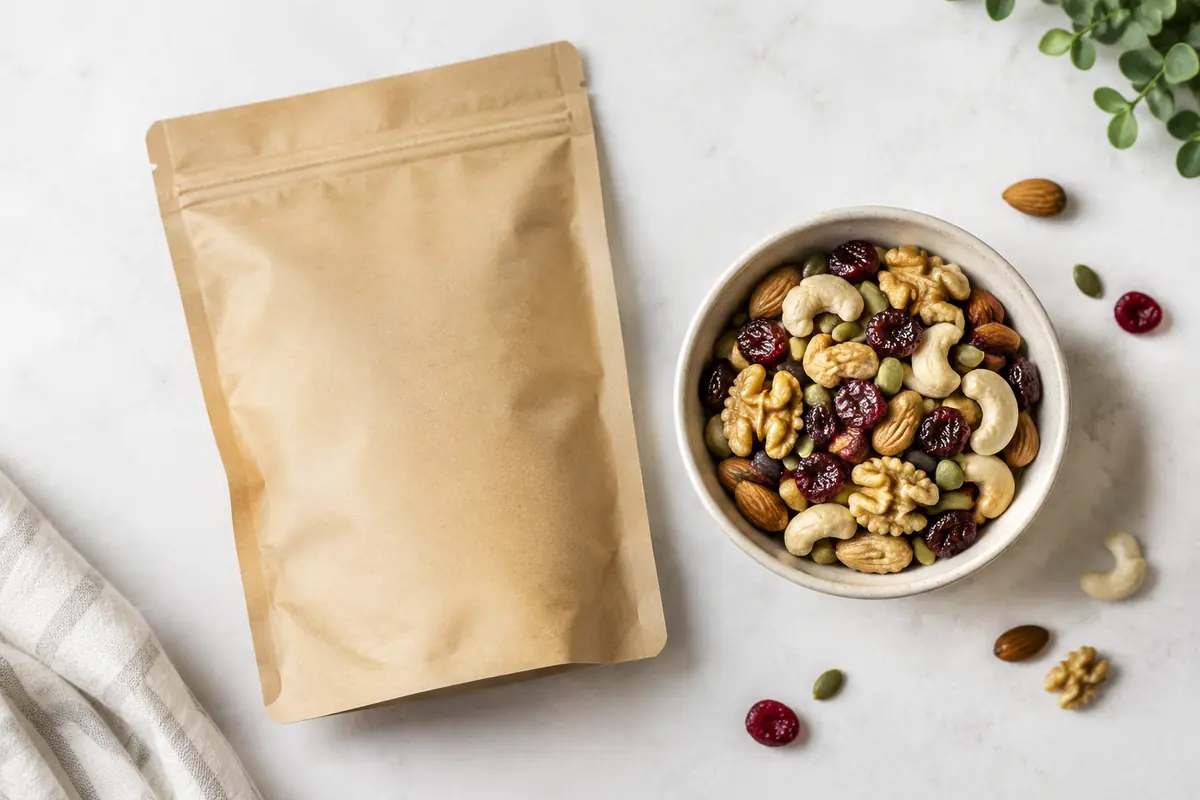
- Keep the package sharp and facing the camera, with size information legible;
- Keep portions plausible — what's poured out shouldn't look like more than the whole bag;
- Use normal-sized props. Miniature bowls and cutlery that make food look bigger are a common trick; don't use them.
Honest size and quantity
A large share of food complaints are about quantity. Images should match the real pack:
- State net weight, and show quantities consistent with it;
- For multipacks, lay out every unit;
- Show scale with a hand, a coin or ordinary tableware.
Lines food images can't cross
Food images and copy face specific advertising limits (follow China's Advertising Law, Food Safety Law, related rules and platform policies):
- Ordinary food can't claim to prevent or treat disease. No "lowers blood pressure" or "cures insomnia" in images.
- Health foods have their own rules and can't claim benefits freely.
- "No additives" claims need a basis and must follow labelling rules.
- Ingredients shown must be real. Big whole nuts or chunks of fruit in the image should be what's actually used, not an "illustration" that exaggerates.
- Origin and process claims need evidence.
Where AI-generated food fits
AI-generated food imagery is increasingly common. It's good for setting and mood, but food needs extra care:
- Generate the scene; photograph the food. Generated food tends to look too perfect, with texture and colour that drift from reality.
- Never use generated images for fillings, cut surfaces or portions. Those are exactly what shoppers judge, and exactly where disputes arise.
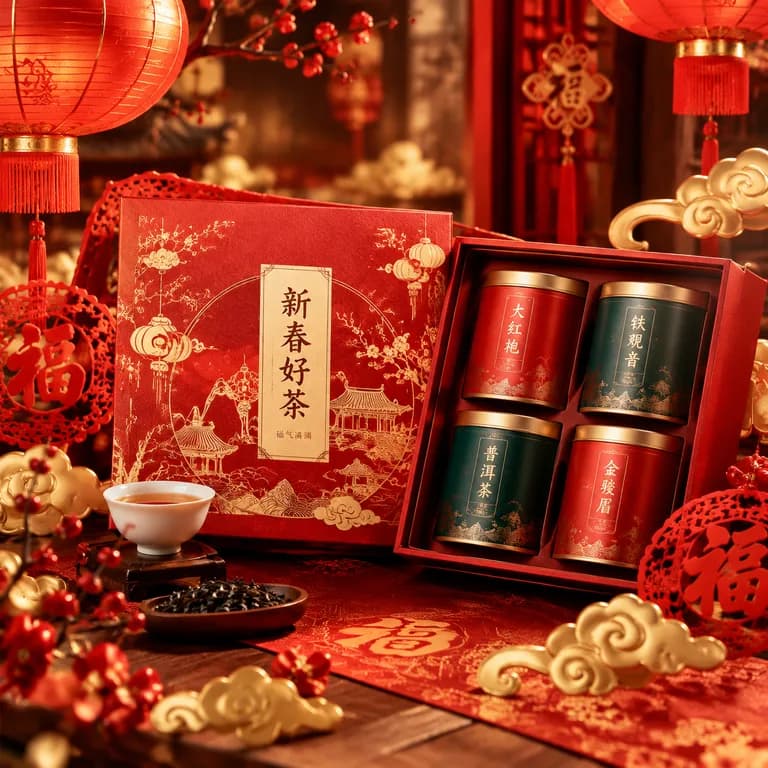
- Use generated images for mood and serving ideas — an afternoon tea table, a festive gift arrangement — where shoppers understand it's a suggestion.
A practical approach: photograph the food and packaging for real, then use AI generation to replace or enrich the background. If the real photo's lighting is off, Retouch can adjust brightness and tone moderately — but never change the food's own colour or texture.
A food image set
For a nut gift box:
- White-background main image: the box front, complete and sharp;
- Box open: inner compartments and every variety;
- Close-ups of each nut's size and colour (real photos);
- Quantity: net weight shown, all small packs laid out;
- Scene: sharing on a coffee table or office desk;
- Ingredients and storage: ingredient list, shelf life, storage instructions.
Before the shoot, see photographing packaging and unboxing; the approach to gift boxes carries over directly.
Upload one product photo and get a full set of listing-ready visuals in minutes.
Keep reading