Which product images can be AI-made, and which must be real photos
AI has made lifestyle and mood images far cheaper, but a product image's core job is to show what the buyer will receive. Here's a line drawn by image type: where AI can lead, where it should only assist, where real photos are required, and how AI labelling rules fit in.
We make AI image tools, and the point of this article is exactly that not every product image should be made with AI.
AI generation has changed the cost of e-commerce visuals. A lifestyle image used to mean a location, a photographer and props; now one product photo becomes several scenes in minutes. But product images differ from ads: they're how buyers judge what they'll receive. When AI-generated content doesn't match the real item, it isn't just an unattractive image — it's a mismatch between listing and product, leading to disputes and, in serious cases, false advertising.
So the question isn't whether to use AI, but where and how far.
The line, by image type
| Image type | AI's role | Notes |
|---|---|---|
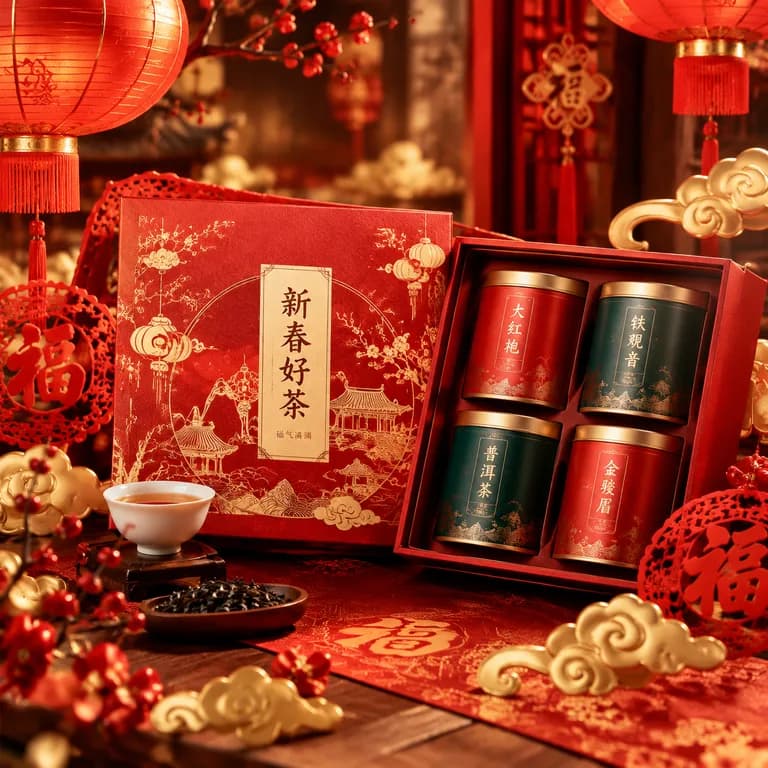
| Lifestyle and mood | Can lead | Real product photo as input; AI handles setting |
| Campaign posters | Can lead | Prices and offers must be real |
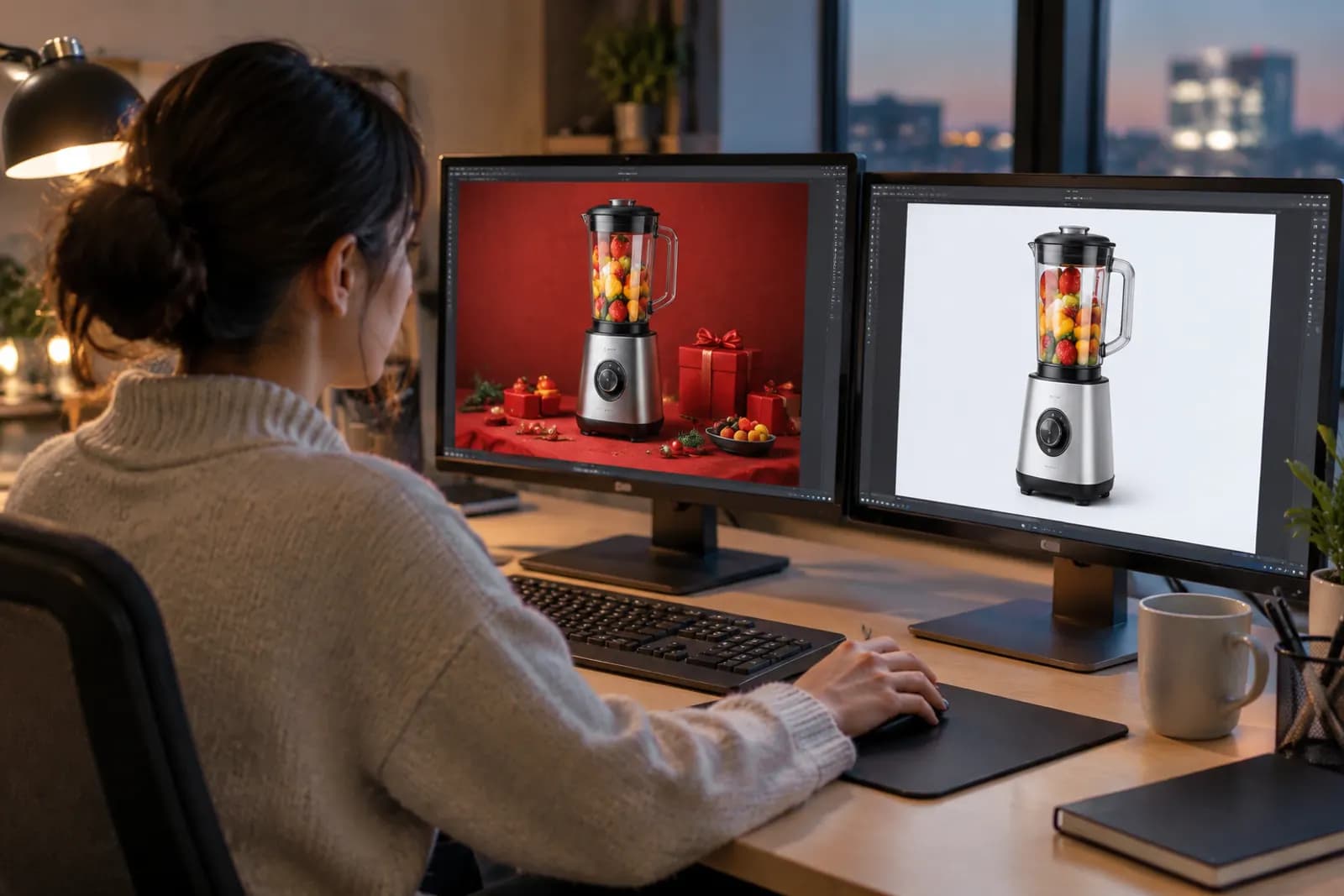
| White background | Assist | Cutout, background, light — product unchanged |
| Retouching | Assist | Dust, glare, colour — without changing colour or material |
| Detail and material | Prefer real photos | Buyers judge quality here; generated detail can mislead |
| Size and spec | AI layout, real data | Numbers from measurement |
| On-model | Assist with care | Cut, colour and length must match |
| Food contents, cut surfaces | Real photos only | Quantity and texture drive the decision |
| Packaging, labels, compliance | Real photos only | They exist to verify real information |
Where AI can lead: scenes and mood
Lifestyle images help buyers picture the product in their lives. If the product itself comes from a real photo and isn't altered, generating the setting is reasonable, and shoppers generally understand scenes as styling suggestions.
Watch for:
- Plausible scale — don't place the product somewhere that makes it look bigger than it is;
- Props that imply extras — sell a vase shown full of flowers, and buyers may expect flowers. Note "props not included" where needed.
Where AI assists: white backgrounds and retouching
Cutting out, relighting and cleaning blemishes is what editing software always did; AI does it faster. The rule: the product's colour, shape, material, logo and labels must not change.
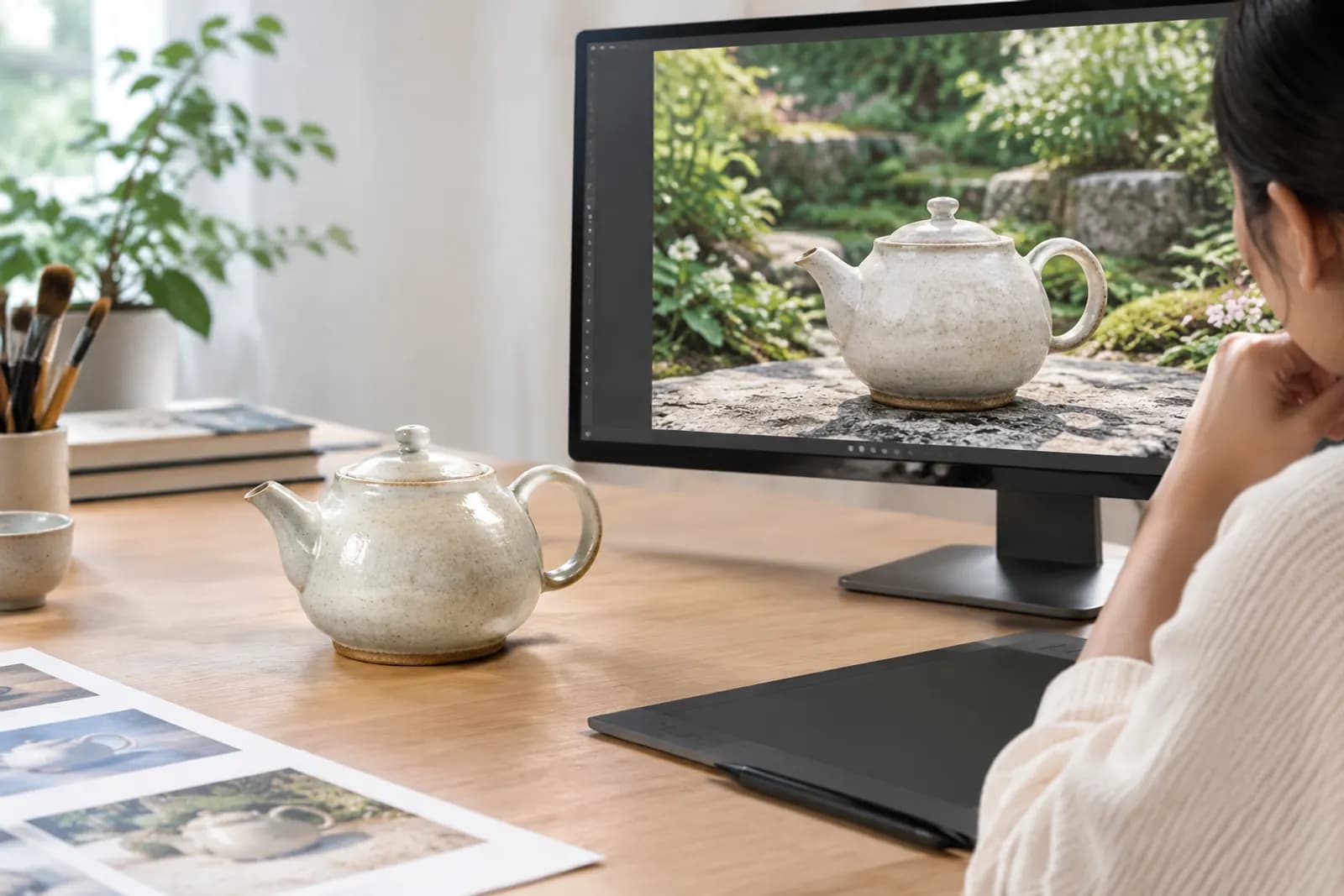
A common problem is over-retouching: fabric texture smoothed away, brushed metal turned glossy, the product looking like a plastic model. Compare the original and the edit side by side to confirm the product's characteristics survived.
Where real photos are preferred: detail and material
Detail images are how buyers judge workmanship and value: straight seams, flush ports, natural wood grain. Those are exactly the details AI tends to invent. A generated detail may look better than the real one — and that's the problem.
If a real detail photo lacks quality, Sharpen or HD upscale enhance the original rather than generating new content.
Where data must be real: sizes and specs
AI can lay out size and spec images, but every number must come from measurement or test reports. Our Product image sets are built around this: specs you don't provide never appear in an image, and size images without values show lines only.
Where AI assists with care: models
AI outfit swaps and models let apparel sellers show more styles for less. But cut, length, colour and drape all influence the buyer. With AI model images:
- Compare each result with the real garment: length, sleeves, collar, colour;
- Keep at least one real on-model or flat-lay photo as a reference;
- Take sizing from measurements, never from generated images.
Where only real photos will do: contents and compliance
Food cross-sections and portions, gift box contents, labels, packaging and certification marks exist to be true. Generating or altering them is pointless and may amount to providing false information.
Labelling AI-generated content
Rules on labelling AI-generated and synthetic content have been introduced in China, and e-commerce and content platforms are updating their policies. Whether and how product images need labelling depends on your platform's current rules. Sensible practice for merchants:
- Follow platform updates on AI-generated content;
- Where scenes are generated, consider noting on the detail page that scenes are for reference;
- Keep internal records of which images are real, generated or AI-retouched.
A simple self-check
Before publishing, ask of every product image: "If a buyer held the real product next to this image, would they feel misled?"
- No: the image is fine;
- Possibly: find what differs and fix it or note it;
- Yes: don't use it.
That question beats any checklist. AI is a tool for speed; the floor for product images is still the truth. For a practical AI workflow, see an AI image workflow for small teams.
Upload one product photo and get a full set of listing-ready visuals in minutes.
Keep reading